Micro-Influencers vs. Mega-Stars: Who Should Promote Your Book?
Welcome, aspiring author, to a crucial conversation that can redefine your book's journey from quiet manuscript to bustling bestseller. You’ve poured your heart and soul into writing a compelling story or sharing invaluable knowledge. Now, the question looms: how do you get it into the hands and hearts of readers?
The modern publishing landscape offers unprecedented opportunities, but also a cacophony of voices. Standing out requires a strategic approach, and one of the most powerful tools at your disposal is influencer marketing. But not all influencers are created equal. Do you chase the elusive mega-star with millions of followers, or nurture relationships with dedicated micro-influencers who champion niche genres? This isn't just about reach; it's about resonance. As your Senior Self-Publishing Consultant at Macspire Publishing House, I’m here to guide you through this vital decision.
Understanding the Influencer Ecosystem for Authors
Once upon a time, authors relied almost exclusively on traditional media reviews and word-of-mouth. Today, a new breed of tastemakers has emerged: book influencers. These individuals, whether on platforms like Instagram (Bookstagram), TikTok (BookTok), or YouTube (BookTube), build communities around their passion for reading. Their recommendations carry weight with their followers, often translating directly into sales and heightened visibility.
For self-published authors, influencers offer a direct and often more accessible path to reaching target readers than traditional publicity. They can generate buzz, spark conversations, and provide authentic social proof that resonates with potential buyers. The key is understanding which type of influencer aligns best with your goals, budget, and book.
The Glamour of Mega-Stars: Massive Reach, Massive Investment
Imagine your book featured by a celebrity, a renowned author with a colossal online presence, or a book influencer boasting millions of followers. The thought is exhilarating, isn't it? A single post could potentially put your book in front of an audience larger than some small countries. This is the allure of the mega-star influencer.
- Unparalleled Reach: A mention from a mega-star guarantees a vast number of eyeballs on your book, far exceeding what most self-published authors could achieve independently.
- Instant Credibility: Being endorsed by a prominent figure lends significant credibility and can generate immediate trust with their audience.
- Viral Potential: In rare cases, a mega-influencer's post can trigger a viral cascade, leading to a rapid surge in sales and media attention, potentially propelling your book onto bestseller lists overnight.
However, the reality for most independent authors is that partnering with mega-stars is largely unattainable. Their fees can range from tens of thousands to hundreds of thousands of dollars per post, a price point well beyond the typical self-publishing marketing budget. Even if you could afford it, there's no guarantee their diverse audience will be genuinely interested in your specific genre. A large audience doesn't always mean a *relevant* audience, and a single, expensive shout-out might not yield the focused engagement your book needs to thrive long-term.
Specific Tip: While directly engaging mega-stars might be out of reach, observe their content. Pay attention to how they present books, what kind of covers catch their eye, and the emotional hooks they use. This insight can inform your own marketing materials and social media strategy, even if you’re not working with them directly.
The Power of the Niche: Embracing Micro-Influencers
Shift your focus from the glittering generalists to the passionate specialists. Micro-influencers typically have audiences ranging from 1,000 to 100,000 followers. What they lack in sheer numbers compared to mega-stars, they more than make up for in engagement, authenticity, and niche relevance. This is often where the real magic happens for self-published authors.
- Highly Targeted Audience: Micro-influencers cultivate communities around very specific genres or sub-genres (e.g., "dark academia fantasy," "cozy mystery lovers," "historical fiction set in Ancient Rome"). This means their followers are already primed to be interested in books like yours.
- Higher Engagement Rates: Because their communities are smaller and more focused, micro-influencers tend to have significantly higher engagement rates. Their followers trust their recommendations more deeply, viewing them as genuine peers rather than distant celebrities.
- Cost-Effective: Many micro-influencers are happy to receive a free review copy (print or ebook) in exchange for an honest review or feature. Some may charge a modest fee for dedicated posts or campaigns, but these costs are usually within a self-publisher's budget.
- Authenticity and Trust: Micro-influencers often feel more accessible and relatable. Their recommendations come across as authentic and personal, which is incredibly valuable for building long-term reader loyalty.
- Relationship Building: Working with micro-influencers allows for more personal interaction and the potential to build lasting relationships that can benefit your future releases.
Specific Tip: To find micro-influencers, dive deep into platform hashtags relevant to your genre (e.g., #romantasybooks, #indiehorror, #bookrecs). Look for accounts with consistent posting, thoughtful reviews, and genuine interaction with their comments section. Explore who your favorite authors in your genre are following or interacting with.
Bookstagram vs. BookTok: Where Do Your Readers Live?
When considering micro-influencers, it's vital to understand the distinct ecosystems of Bookstagram and BookTok. Each platform caters to different consumption habits and can yield different results for your book.
Bookstagram: The Aesthetic and Detailed Review Hub
Instagram's book community, Bookstagram, thrives on aesthetics and detailed reviews. It's a visual platform where beautiful book photography, curated feeds, and thoughtful captions reign supreme. Influencers often showcase book stacks, artistic flat lays, and provide well-structured reviews that delve into plot, character, and writing style.
- Visual Appeal is Key: If your book has a stunning cover, Bookstagram is an excellent place to shine. Influencers often prioritize visually appealing books that fit their feed's aesthetic.
- Detailed Analysis: Bookstagrammers often provide more in-depth, written reviews, giving potential readers a comprehensive understanding of your book's themes and merits.
- Target Audiences: Strong for literary fiction, cozy mysteries, some romance, beautifully designed non-fiction, and genres where readers appreciate thoughtful discussion.
- Engagement Style: Engagement often comes through comments, DMs, and shared posts in Stories, building a more reflective and community-oriented discussion.
BookTok: The Viral Video Powerhouse
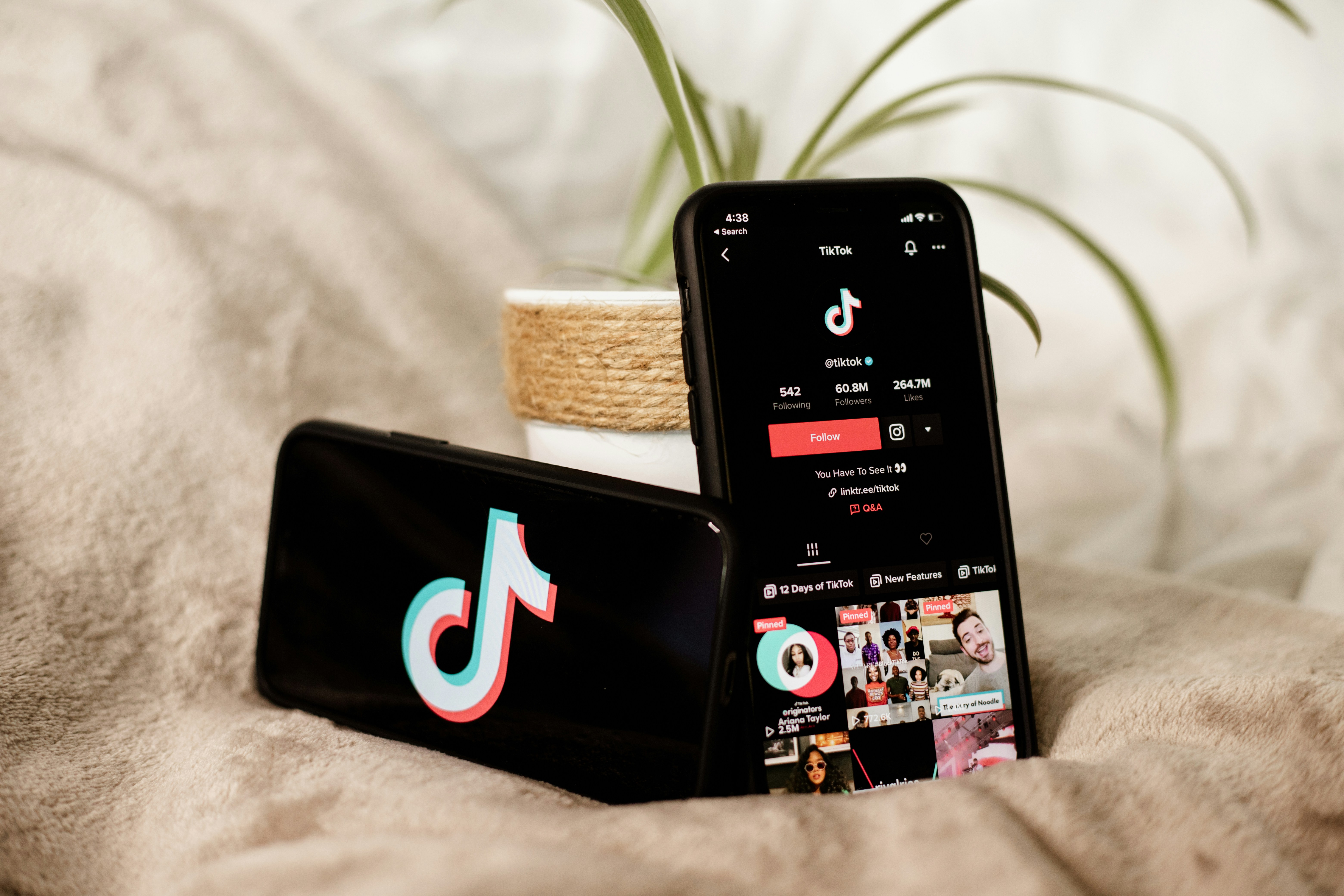
BookTok, the book community on TikTok, is a phenomenon. It's a fast-paced, video-driven platform known for its ability to turn unknown books into overnight bestsellers. BookTokkers use trending sounds, quick cuts, and emotional appeals to convey the essence of a book in seconds. The focus is less on detailed reviews and more on generating excitement, emotional impact, and a sense of "I need to read this now!"
- Explosive Virality: A single viral BookTok video can send sales soaring, sometimes even years after a book's initial release. It thrives on shareability and emotional resonance.
- Emotional Connection: BookTok often focuses on "POV" (point of view) videos, character tropes, or specific emotional moments that resonate deeply with viewers, creating an urgent desire to experience the story.
- Dominant Genres: Unquestionably powerful for YA, fantasy, romance (especially "spicy" romance), and any genre that evokes strong emotional responses or features compelling tropes.
- Engagement Style: Driven by quick reactions, shares, and comments, BookTok generates rapid buzz and impulse purchases.
Specific Tip: Don't feel pressured to choose just one platform. Your strategy should be informed by your book's genre and your target reader's likely hangout. If you write high-concept fantasy romance, BookTok is likely a goldmine. If you write elegant historical fiction with a beautiful cover, Bookstagram might be your primary focus. Consider a multi-platform approach, tailoring your pitch to each. Understanding the unique culture of each platform will dramatically improve your success rate.
Practical Steps to Partnering with Micro-Influencers
Once you’ve identified potential micro-influencers, the next step is outreach. This process requires professionalism, respect, and a clear understanding of what you're offering.
1. Research and Personalize
- Deep Dive: Don't just look at follower counts. Read their reviews, watch their videos, and observe their engagement. Do they genuinely enjoy books in your genre? Are their followers active and responsive?
- Personalized Pitch: Never send a generic email. Reference specific posts or reviews of theirs that you enjoyed. Explain *why* you think your book would be a great fit for their audience, citing specific tropes, themes, or elements.
2. Craft Your Compelling Pitch
Your pitch should be concise, professional, and exciting. Include:
- A captivating hook: A short, intriguing sentence about your book.
- Brief synopsis: A concise, compelling summary of your story.
- Target audience/genre: Clearly state your book's genre and who it's for.
- Why it's a good fit: Reiterate how it aligns with their content and audience.
- What you're offering: A free ARC (Advance Reader Copy) or finished copy (print or ebook). Be clear about whether you're expecting a review, a dedicated post, or just consideration.
- Call to action: How they can receive the book (e.g., "If this sounds like something you'd enjoy, I'd be happy to send you a digital ARC via BookFunnel or a physical copy if you prefer.").
3. Manage Expectations and Logistics
- Be Prepared for "No": Not every influencer will say yes, and that's okay. Thank them for their time and move on.
- Provide a Quality Product: Ensure your book is professionally edited, formatted, and has a compelling cover *before* you send it to any influencer. A poor-quality book reflects badly on you and wastes their time.
- Follow Up Politely: If you don't hear back, a single, polite follow-up email after a week or two is acceptable, but don't badger them.
- Be Clear About Deliverables: If you're offering payment, ensure a clear agreement on what content they will produce, by when, and on which platforms.
4. Nurture Relationships
Successful influencer marketing isn't a one-and-done transaction. Thank influencers who feature your book, share their posts, and continue to engage with their content. Building these relationships can lead to future collaborations and a strong network of supporters for your author career.
Beyond the Influencer: Maximizing Your Outreach
While influencers are powerful, they are one piece of a larger marketing puzzle. To truly maximize your book's potential, integrate influencer outreach with a robust overall strategy.
- Professionalism is Paramount: Before a single book leaves your digital (or physical) shelf, ensure it's impeccable. This means professional editing, stunning cover design, and flawless interior formatting. A reader's experience begins before they even read the first word, and a polished product encourages positive reviews and word-of-mouth. At Macspire, we emphasize this foundation as crucial for long-term success.
- Amazon KDP Optimization: For self-published authors, Amazon KDP is often the primary sales channel.
- Keywords: Research and use highly relevant keywords that readers actually search for.
- Categories: Choose up to 10 specific categories that accurately describe your book to improve discoverability.
- Description: Write a compelling, benefit-driven book description that hooks readers and uses strong formatting.
- A+ Content: Utilize Amazon's A+ Content (formerly Enhanced Brand Content) to add rich media, comparison charts, and stunning visuals to your product page, making it more appealing.
- Pricing Strategy: Experiment with launch pricing, promotional discounts, and Kindle Unlimited enrollment to find what resonates with your audience.
- Encourage Reviews: Social proof is everything. Make it easy for readers to leave reviews on Amazon, Goodreads, and other platforms. A call to action at the back of your book can be very effective.
- Build Your Platform: Cultivate your own author brand. Maintain an active author website, build an email list, and engage with readers on social media. You are your book's most dedicated advocate.
- Pre-Orders Matter: For KDP, pre-orders signal strong reader interest to Amazon's algorithms and can significantly boost your launch-day rankings, making your book more visible.
Conclusion
The choice between mega-stars and micro-influencers isn't just about budget; it's about strategy, authenticity, and sustainable growth. While the thought of a mega-star endorsement is tempting, the real power for most self-published authors lies in the highly engaged, niche communities built by micro-influencers. By strategically partnering with these dedicated book lovers, you can cultivate genuine buzz, connect with your ideal readers, and build a lasting foundation for your author career.
Remember, success in self-publishing is a marathon, not a sprint. Focus on creating an exceptional product, understanding your audience, and building meaningful connections. With the right approach, your book can find its way into the hands of the readers who will cherish it most.